Board Members and Task Team
The Board Members, in collaboration with the Task Team of commodity representative farmers, oversee the Association’s formation and operations. The Task Team comprises dedicated farmers representing diverse commodities, each committed to integrating farm worker perspectives, addressing sector-specific challenges, promoting fair labour, skills
development, and inclusive economic growth.
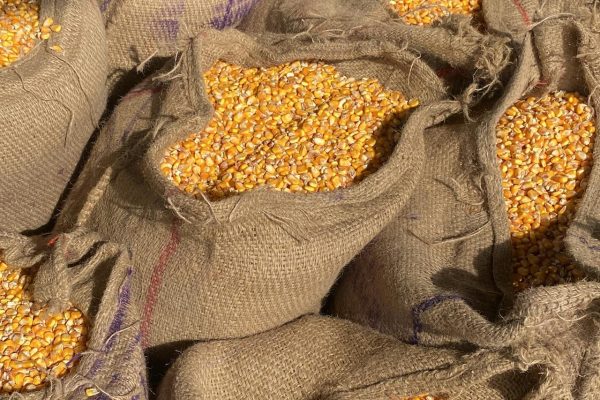
Task Team Member 1:
Crop Commodity Representative
Representing emerging black farmers and workers in broad crop production (maize,
wheat, barley, sorghum, oilseeds such as sunflower and soya, dry beans, groundnuts,
sugar cane and other field crops) across provinces. Focused on sustainable farming
techniques, access to quality seeds, fertilizers and agrochemicals, protection against climate vulnerabilities (drought, heat, erratic rainfall), soil health management, mechanisation support, pest and disease control, and market protection from cheap imports/dumping.
Advocating for subsidized input programmes, climate-resilient seed varieties, affordable mechanisation loans, collective marketing cooperatives, training in conservation agriculture, and policy measures to ensure food security and profitability for smallholder crop producers.
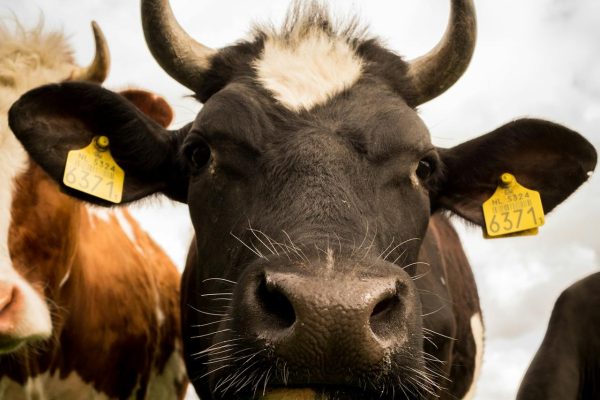
Task Team Member 2:
Livestock Commodity Representative
Advocating for animal husbandry workers, tackling stock theft, rural security, and
equitable profit-sharing.
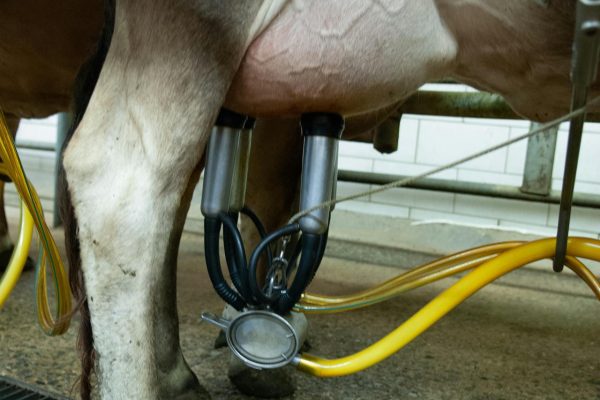
Task Team Member 3:
Dairy and Agro-Processing Commodity Representative
Representing value-added agriculture workers, emphasizing training, financial inclusion,
and resistance to land threats.
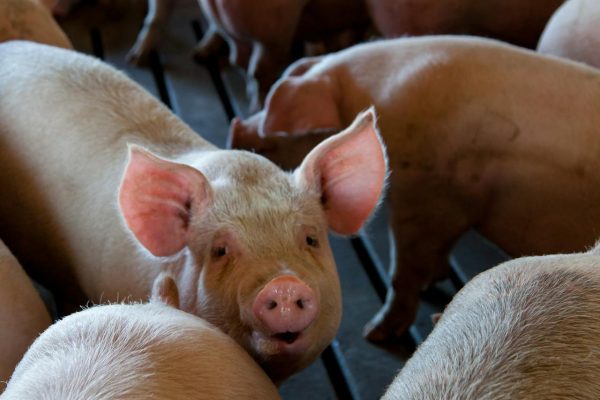
Task Team Member 4:
Piggery Commodity Representative
Representing emerging black pig farmers (small-scale, semi-intensive, and commercial)
and farm workers across provinces, with emphasis on rural and peri-urban operations.
Addressing acute challenges including high feed costs (driven by maize/soybean prices),
disease outbreaks (African Swine Fever, PRRS), biosecurity gaps, limited access to quality
breeding stock/genetics, market access barriers (abattoir contracts, informal market
competition), energy crises/load-shedding impacts on housing and processing, high
input/veterinary costs, insecure tenure, and job losses.
Advocating for urgent government
intervention (ASF control programmes, vaccination support, biosecurity grants), protective tariffs on pork imports, affordable feed inputs and breeding stock, improved abattoir access and market linkages, fair labor conditions in intensive pig production, youth
training in modern piggery techniques, cooperative models for collective buying/processing, and diversification into value-added products (bacon, sausages, pork
cuts) to safeguard rural livelihoods, food security, and competitiveness for black-owned
pig enterprises.
Task Team Member 5:
Land Reform Representative
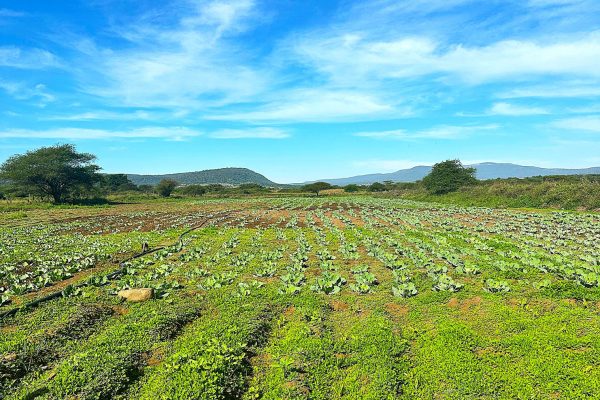
Land reform, restitution, and redistribution interests across provinces. Focused on
accelerating transparent land restitution and redistribution processes, securing communal
and farm dweller tenure rights, addressing bureaucratic delays and corruption in title deed
issuance and land allocation, advocating for equitable access to productive land for
emerging black farmers, preventing land grabs/evictions, and ensuring alignment with
Freedom Charter principles like “The Land Shall Be Shared Among Those Who Work It!” to
unlock ownership, finance, and production potential.
Task Team Member 6:
Rural Development Representative
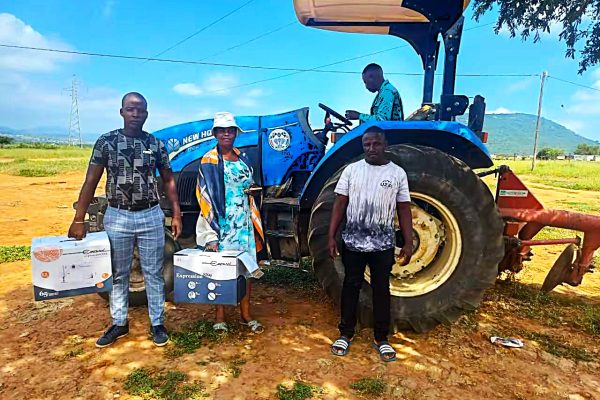
Representing rural community development and post-settlement support across provinces.
Focused on advocating for infrastructure (roads, water, electricity, irrigation), extension
services, healthcare, housing, and education in rural areas; promoting rural revitalization
and economic diversification; coordinating with DALRRD and related departments for
integrated rural programs; addressing climate resilience in rural settings; and building
sustainable rural economies through community initiatives, cooperatives, and safety
measures to prevent evictions and support long-term rural livelihoods.
Task Team Member 7:
Poultry Commodity Representative
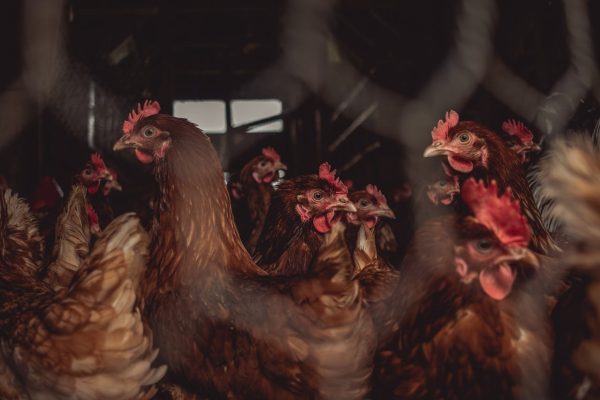
Representing emerging black poultry farmers (broiler and egg producers) and farm workers across provinces, with emphasis on small-scale and rural operations. Addressing key challenges such as escalating feed costs, competition from cheap imports, inconsistent disease vaccination policies, market access barriers, energy crises/load shedding impacts, biosecurity, high input costs, and limited finance/training.
Advocating for protective tariffs, affordable inputs, disease management programs, market linkages, fair labour in production, youth training, cooperative models, and inclusive growth to enhance job creation, food security, and competitiveness.
Task Team Member 8:
Women and Youth in Agriculture Representative
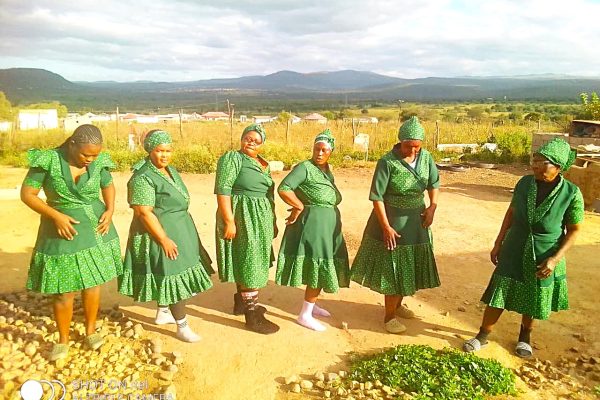
Representing women and youth (including young women farmers) as priority groups in
emerging agriculture. Focused on addressing gender-specific and age-related barriers
such as limited access to land, credit, training, mentorship, markets, and resources; insecure tenure; unpaid care burdens; discrimination in services; high rural youth unemployment; and structural exclusions.
Advocating for gender-responsive land reform,
mentorship programs, skills/entrepreneurship training, affordable finance, cooperative
models, leadership development, climate-resilient opportunities, and policy alignment to
empower women and youth as engines of rural growth and sustainability.
Task Team Member 9:
Farm Workers Representative
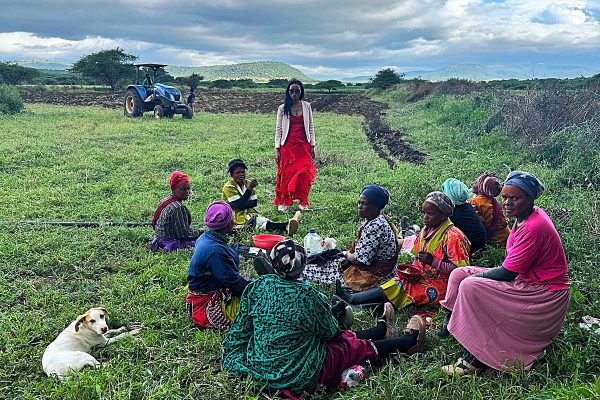
Representing farm workers (permanent, seasonal, migrant, and vulnerable laborers)
across commodities and provinces. Focused on core worker issues including enforcement of fair wages (currently aligned with the 2026 National Minimum Wage of R30.23/hour), safe working conditions (protection from pesticides, heat stress/climate risks, injuries), secure tenure/housing rights to prevent arbitrary evictions, access to healthcare, education, water, and social services, resistance to exploitative practices (long hours, unpaid overtime, unfair dismissals), support for unionization/collective bargaining, pathways to skills upgrading and ownership, and advocacy against rural crime impacts on worker safety.
Committed to centering farm workers’ voices in all Association efforts, promoting dignity and equity as per the Freedom Charter’s “There Shall Be Work and Security!” principle, and collaborating with labour unions, government, and employers for enforceable protections and improved rural livelihoods.
Task Team Member 10:
Vegetables & Herbs Commodity Representative
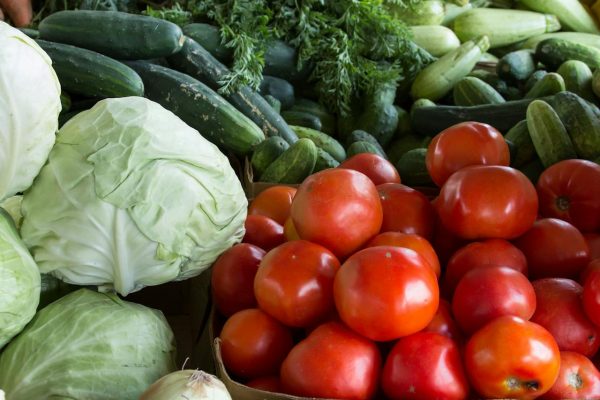
Representing emerging black smallholder farmers and workers in vegetable (e.g., tomatoes, cabbage, carrots, potatoes, onions) and herb (e.g., basil, mint, coriander, indigenous herbs) production across provinces, with emphasis on rural and peri-urban operations.
Addressing key challenges such as high post-harvest losses (due to inadequate cold storage, poor transport/handling, lack of packhouses), limited access to finance/credit for inputs (seeds, irrigation, fertilizers), market exclusion (barriers to formal fresh produce markets, dominance by large players), high input/transport costs, climate vulnerabilities (erratic rainfall, droughts, soil degradation), infrastructure deficits (water access, extension services), and weak value addition opportunities (processing into dried herbs, sauces, ready-to-eat products).
Advocating for improved market linkages (local/informal markets, cooperatives, direct buyer contracts), agroecological and climate resilient practices, access to affordable irrigation/tech, post-harvest management training, youth/women inclusion in horticulture, protective policies against imports/dumping, and support for nutrition-sensitive farming to enhance food security, rural employment, and
sustainable livelihoods in this labour-intensive, high-nutrition sector.
Task Team Member 11:
Fruits Commodity Representative
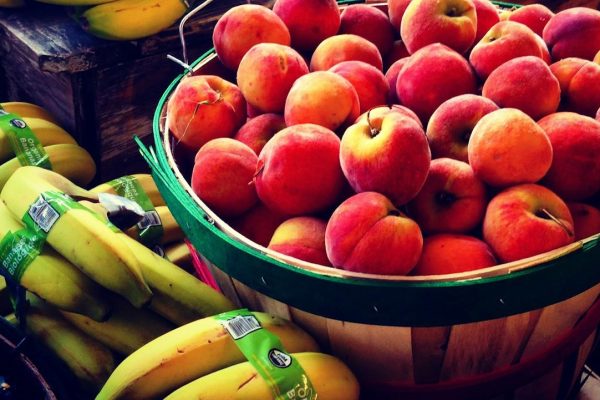
Representing emerging black farmers and workers in fruit production (citrus, deciduous
fruits like apples/pears/peaches, subtropical fruits like avocados/mangoes/macadamias,
table grapes, berries, and others) across provinces. Addressing major challenges including high compliance costs for export standards (GLOBALG.A.P., food safety, traceability), limited access to long-term finance for orchards/trees, water scarcity and irrigation infrastructure deficits, pest/disease pressures (citrus black spot, fruit fly, fungal diseases), climate change impacts (frost, heatwaves, droughts), inadequate packhouses/cold-chain facilities, seasonal labour exploitation, market access barriers (export quotas, competition from established players), and low transformation rates in the export-oriented fruit sector.
Advocating for accelerated land access for fruit farming, targeted transformation funding,
export support programs, climate resilient varieties and practices, fair seasonal labour
conditions, skills training in orchard management/pest control/packing, cooperative models for smallholders, value addition (juicing, drying, processing), and policy
interventions to increase black ownership, job creation, and rural economic inclusion in
this high-value, labour-intensive sector.
Task Team Member 12:
Forestry & Agroforestry Commodity Representative
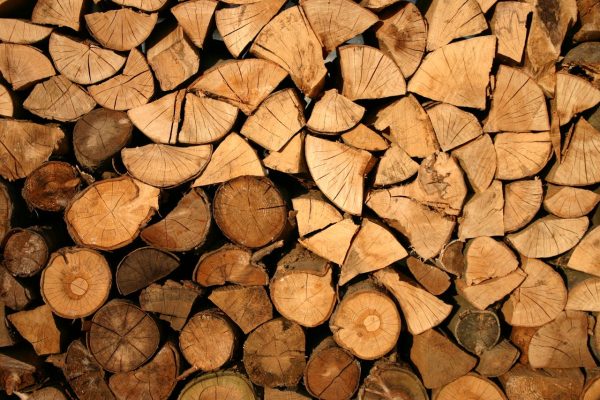
Representing emerging black small-scale timber growers, community forestry operations,
and agroforestry practitioners (including over 20,000–25,000 small-scale growers, many from land reform beneficiaries, community trusts, or cooperatives. Addressing key challenges such as limited land ownership/access (especially for women and youth), high establishment/maintenance costs for timber plantations, market access barriers (to pulp, timber, wattle bark, or non-timber products), certification complexities (e.g., FSC/group systems for smallholders), fire/pest/disease risks, climate vulnerabilities (droughts, extreme weather), insecure tenure, lack of finance/skills/training/extension services, and exclusion from commercial value chains.
Advocating for inclusive transformation in the forestry sector, support for sustainable timber enterprises and agroforestry integration (e.g., multipurpose/indigenous trees with crops/livestock for resilience, food security, fodder, fuelwood, and income diversification), access to affordable seedlings/inputs, cooperative/out-grower models, FSC certification pathways for market entry, community forestry initiatives, youth/women participation, and policy support to enhance rural livelihoods, environmental sustainability, job creation, and economic empowerment in this renewable resource sector.

Task Team Member 13:
Tree Nuts Commodity Representative
Representing emerging black small-scale and medium-scale tree nut farmers and workers
(macadamias, pecans, almonds, walnuts, pistachios, and indigenous nut species) across
all related provinces. Addressing major challenges including very long establishment
periods (5–10 years to first commercial harvest), extremely high upfront capital costs for
seedlings/irrigation/land preparation, limited access to long-term patient finance, water
scarcity and irrigation infrastructure deficits, pest/disease pressures (e.g., macadamia
felted coccid, nut borers), climate change impacts (droughts, heat stress), inadequate
packhouses/cold-chain and processing facilities, export market access barriers
(compliance with EU/US standards, competition from established large-scale producers),
low transformation rates in the export-oriented tree nut sector, and seasonal labour
exploitation.
Advocating for accelerated land access for tree nut orchards, dedicated long
term transformation funding windows, export support and certification subsidies, climate
resilient rootstocks and irrigation schemes, fair seasonal labour conditions, skills training
in orchard establishment/pest management/processing, cooperative models and out grower schemes for smallholders, value addition (nut butters, oils, roasted products), and policy interventions to dramatically increase black ownership, job creation (especially for
youth and women), and rural economic inclusion in this high-value, export-driven,
perennial crop sector.
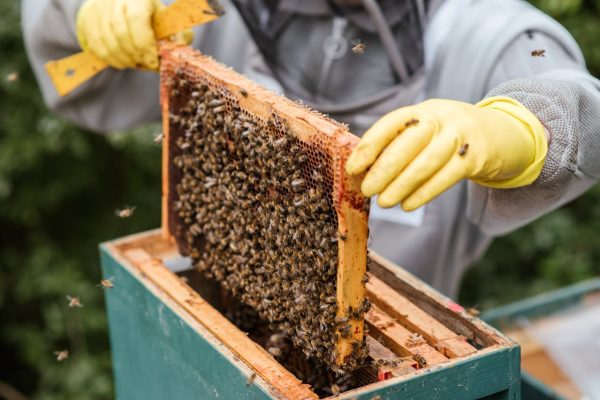
Task Team Member 14:
Bee Commodity Representative
Representing emerging black beekeepers, small-scale apiarists, and honey producers
across provinces, with emphasis on rural, communal, and peri-urban operations. Focused
on promoting sustainable beekeeping, honey production, pollination services, and value
added bee products (honey, beeswax, propolis, royal jelly). Addressing key challenges
such as high startup costs for hives/equipment, colony losses due to African honeybee
diseases/pests (Varroa mites, small hive beetle, American/European foulbrood), pesticide
exposure from nearby crop spraying, climate change impacts (drought reducing forage),
limited access to quality queen bees and breeding stock, market access barriers (formal
honey markets, labelling, export standards), insecure land/vegetation tenure for apiary
sites, theft of hives, lack of training/extension services, and low commercialisation rates
among black beekeepers.
Advocating for government support (subsidised hives, protective
gear, disease control programmes, pollination incentives), pesticide regulation in crop
areas, training in modern beekeeping and hive management, cooperative models for collective marketing and processing, youth/women inclusion in apiculture, certification support (organic/fair trade), and policy measures to recognise beekeeping as a strategic sector for biodiversity, food security, rural income diversification, and climate resilience.